


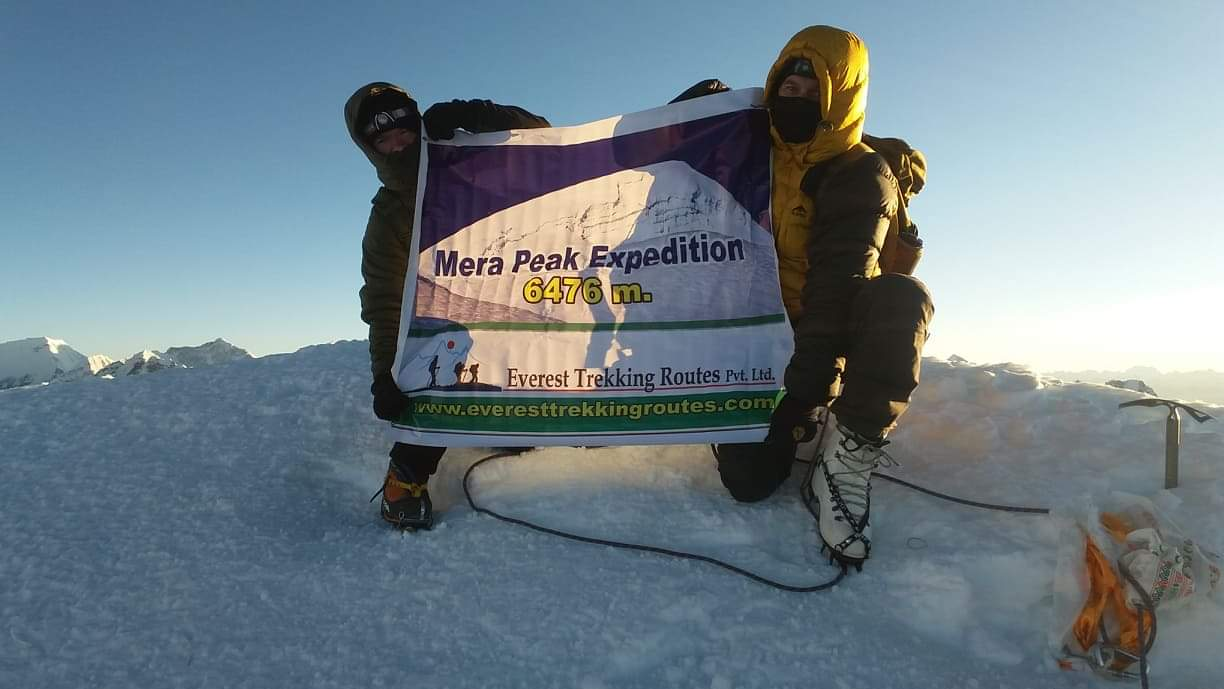
Nepal, a land of towering mountains and timeless adventure, is the dream destination for trekkers and climbers across the globe. Beyond Everest, the country offers numerous high-altitude expeditions for those looking to test their endurance and experience the thrill of mountaineering. Among the most renowned trekking peaks in Nepal are Mera Peak, Lobuche Peak, and Island Peak—each offering unique challenges, breathtaking scenery, and unforgettable experiences.
Whether you are preparing for an 8,000-meter giant or looking to step into your first serious alpine climb, Mera Peak Climbing, Lobuche Peak Climbing, and Island Peak Climbing provide the perfect entry points into the world of Himalayan mountaineering.
Mera Peak Climbing: Nepal’s Highest Trekking Peak
At 6,476 meters (21,247 feet), Mera Peak is the highest trekking peak in Nepal. Located in the remote Hinku Valley within the Makalu Barun National Park, it offers one of the best panoramic viewpoints in the Himalayas.
Why Climb Mera Peak?
Despite its impressive elevation, Mera Peak is considered non-technical by Himalayan standards. The route primarily involves glacier trekking and snow walking, with a gradual incline and minimal technical climbing sections. The major challenge lies in the altitude and duration of the expedition.
From the summit, climbers can witness a breathtaking 360-degree view of five of the world’s 8,000-meter peaks—Everest, Lhotse, Makalu, Cho Oyu, and Kanchenjunga. Few places on earth offer such an awe-inspiring spectacle.
The Climb Experience
The expedition begins with a scenic flight to Lukla, followed by a trek through remote villages and high passes. The approach to Mera Base Camp is less crowded than Everest routes, allowing for a more immersive natural and cultural experience. The summit day usually starts early in the morning with a steady climb over a snowfield to the summit ridge, with occasional use of ropes depending on the season.
Ideal For:
- Fit trekkers looking to experience extreme altitude
- Climbers preparing for more demanding peaks (7,000–8,000m)
- Those seeking a high summit with fewer crowds
Lobuche Peak Climbing: A Technical Himalayan Challenge
Lobuche Peak Climbing, specifically Lobuche East (6,119 meters / 20,075 feet), is located near the Khumbu Glacier and Everest Base Camp, offering a more technically demanding climb compared to Mera or Island Peak. It’s often chosen by climbers who want to gain real mountaineering experience in preparation for higher summits.
Why Climb Lobuche Peak?
The climb features steep snow and ice slopes, crevasses, and ridgelines requiring the use of fixed ropes, crampons, ice axes, and advanced alpine techniques. It’s ideal for mountaineers who want to test their skills and endurance in a controlled yet challenging environment.
Lobuche also provides magnificent views of Everest, Lhotse, Ama Dablam, and the Khumbu Icefall. Its location along the Everest Base Camp trail allows climbers to combine the two adventures, enriching the experience further.
The Climb Experience
Climbers generally follow the classic Everest trail through Namche Bazaar and Tengboche before turning toward Lobuche Base Camp. From there, high camp is established, followed by a summit push that requires technical maneuvers, rope work, and endurance to navigate the steep final sections.
Ideal For:
- Climbers with previous mountaineering experience
- Those wanting to improve alpine climbing skills
- Adventurers seeking technical challenges with iconic views
Island Peak Climbing: The Perfect First Himalayan Summit
Island Peak, or Imja Tse, stands at 6,189 meters (20,305 feet) and is one of Nepal’s most popular climbing peaks. Named “Island Peak” by early British explorers due to its appearance amid a sea of ice, it is a favorite among novice climbers and those seeking a thrilling extension to the Everest Base Camp trek.
Why Climb Island Peak?
Island Peak offers a moderate technical challenge, making it ideal for beginners who are transitioning from trekking to climbing. While the approach involves a typical Himalayan trek through villages like Dingboche and Chukhung, the summit push includes glacier travel, crevasse navigation, and a steep headwall secured with fixed ropes.
From the summit, climbers enjoy incredible views of Lhotse, Nuptse, Makalu, and the surrounding ice formations that form part of the Imja Glacier.
The Climb Experience
Island Peak Climbing expeditions often include an acclimatization trek to Everest Base Camp, maximizing altitude adaptation. The climb starts in the early morning and requires the use of technical gear in the final stretch. Although not as technical as Lobuche, it still demands good physical conditioning and basic mountaineering knowledge.
Ideal For:
- First-time climbers with trekking experience
- Those wanting to learn rope and ice climbing techniques
- Trekkers looking to add adventure to the Everest region
Conclusion: Choose Your Himalayan Climb
Choosing between Mera Peak, Lobuche Peak, and Island Peak depends on your personal goals, physical readiness, and level of mountaineering experience.
- If you’re drawn to the highest trekking peak with fewer crowds and unmatched views, Mera Peak Climbing offers a rewarding and less technical challenge.
- If your goal is to improve alpine skills and experience steeper, more technical terrain, Lobuche Peak Climbing provides a demanding and fulfilling ascent.
- And if you’re new to mountaineering or want to complement your Everest trek with a manageable summit, Island Peak Climbing is the ideal first Himalayan climb.
Each of these peaks delivers more than just a summit—it offers adventure, cultural immersion, personal growth, and a deeper connection to the world’s most iconic mountain range. Whichever path you choose, the Himalayas promise an unforgettable journey.
Contact Details
———————
Company address: Everest Trekking Routes Pvt. Ltd.
16 Khumbu, Nayabazaar, Kathmandu, Nepal
Mobile : +977-9843467921 (Rabin)
Email: [email protected]
URL:- www.everesttrekkingroutes.com
