


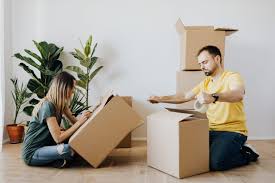
Moving and storing your belongings can be a daunting task, especially when you want to ensure that your items remain safe and undamaged throughout the process. Whether you are relocating to a new home, downsizing, or simply need a temporary place to store your possessions, there are several steps you can take to ensure that your belongings are well cared for. Professional movers like tetrisflytt often provide both moving and storage solutions, making it easier to keep everything secure. In this guide, we’ll cover the best practices for both moving and storing your belongings safely.
1. Plan Ahead for a Smooth Moving and Storage Experience
Before diving into the logistics of moving and storing your items, it’s crucial to plan ahead. A well-thought-out plan will make the process smoother, reduce the risk of damage, and save you time in the long run.
a. Set a Timeline
The first step is to set a timeline for your move. This includes deciding on your moving date, booking movers (if necessary), and preparing for storage. Make sure to give yourself plenty of time to organize everything—last-minute packing and rushed decisions can increase the risk of accidents and damage.
b. Inventory Your Belongings
Take inventory of all the items you plan to move and store. This list will help you keep track of your possessions, and it will be invaluable when assessing the condition of your items before and after the move. This is also a good time to declutter. Donate, sell, or discard any items you no longer need.
2. Gather the Right Supplies for Packing and Storing
Using the right packing materials is crucial for protecting your belongings. Here’s a list of supplies that will help ensure the safety of your items:
a. Sturdy Boxes
Use strong, durable boxes for packing. Avoid reusing old boxes that may have become weakened. If you’re unsure about box strength, opt for new moving boxes that are designed specifically for transporting items.
b. Packing Tape
High-quality packing tape is essential for securing boxes. Make sure to seal each box properly to prevent it from opening during the move or in storage. Consider using reinforced packing tape for heavier items.
c. Bubble Wrap and Packing Paper
Fragile items such as glassware, electronics, and artwork should be wrapped securely in bubble wrap or packing paper. This extra layer of protection prevents breakage during both the move and while stored, something professional apartment movers strongly recommend.
d. Mattress and Furniture Covers
Mattress covers and protective furniture wraps are essential to prevent damage from dirt, dust, and moisture. These covers will keep your furniture and mattresses in pristine condition while they are in transit or storage.
e. Plastic Bins
For items that need to be stored for longer periods, consider using plastic bins instead of cardboard boxes. Plastic bins are more durable and offer better protection from moisture, insects, and rodents.
f. Furniture Pads
Furniture pads or moving blankets are excellent for protecting large furniture pieces during the move. They also prevent scratches and dents from occurring when the items are stored.
3. How to Pack Your Belongings for Safe Moving and Storage
Proper packing is critical to ensure the safety of your belongings. The way you pack items can significantly reduce the risk of damage during transit and while in storage.
a. Pack Fragile Items with Extra Care
For fragile items like glassware, dishes, mirrors, and electronics, take extra precautions. Wrap each item individually in bubble wrap or packing paper, and use sturdy boxes to pack them. Fill any empty space in the box with packing peanuts or crumpled paper to prevent items from shifting during the move.
b. Disassemble Furniture When Possible
If possible, disassemble large furniture items like beds, tables, and bookshelves. This will make them easier to transport and store. Keep all screws, bolts, and parts in a labeled plastic bag and attach it to the corresponding piece of furniture.
c. Protect Large Appliances
When moving large appliances like refrigerators, washers, and dryers, it’s essential to protect them from damage. Make sure to clean and empty out all appliances before the move. Use furniture pads or moving blankets to wrap the appliances and secure them with tape or straps.
d. Label Your Boxes
Clearly label each box with its contents and destination room. This will help movers (or yourself) place items in the right areas in your new home or storage unit. Label fragile items with “Fragile” or “This Side Up” to ensure proper handling.
e. Avoid Overpacking Boxes
Overpacking boxes can lead to broken items or boxes that are too heavy to move easily. Pack boxes with a reasonable amount of weight, and distribute heavier items across multiple boxes rather than stacking them into one.
4. Safely Transporting Your Belongings
When it comes time to move, you need to ensure that your belongings are handled safely during transport.
a. Hire Professional Movers (If Needed)
If you’re hiring a moving company, make sure to choose one with a solid reputation for reliability and safety. Professional movers are trained to handle heavy and fragile items with care. Check online reviews and ask for recommendations to find the best moving company for your needs.
b. Secure Items in the Moving Truck
When loading the truck, make sure to pack the heaviest items first, placing them closest to the door. Use straps to secure large furniture and appliances to prevent them from shifting during transit. Arrange boxes in a way that allows for easy access to the most important items, such as toiletries or clothes.
c. Drive Carefully
If you’re moving the items yourself, take care when driving the moving truck. Drive slowly and avoid sudden stops or sharp turns, which could cause your belongings to shift and get damaged.
5. How to Store Your Belongings Safely
Once your belongings are packed and moved, the next step is to find a safe place to store them. Whether you’re storing items for a short or long period, here are the best practices for ensuring their safety.
a. Choose a Secure Storage Facility
If you’re renting a storage unit, choose a facility that is clean, secure, and climate-controlled (if needed). Look for features like 24/7 surveillance, gated access, and adequate lighting to ensure your belongings are safe from theft or damage.
b. Store Items in the Right Environment
Temperature and humidity fluctuations can damage sensitive items such as wood furniture, electronics, and documents. A climate-controlled storage unit is ideal for these items, as it will maintain a consistent temperature and humidity level. If your storage unit is not climate-controlled, take extra precautions to protect sensitive items, such as wrapping them in plastic or storing them in airtight containers.
c. Avoid Storing Hazardous Materials
Some materials, such as flammable liquids, chemicals, and perishable items, should never be stored in a storage unit. Check with your storage facility to make sure they have restrictions on what can be stored, and avoid putting hazardous materials in storage.
d. Organize Your Storage Unit
To prevent items from becoming damaged, make sure to store them carefully within the unit. Keep heavier boxes and furniture on the bottom, with lighter items on top. Create aisles within the unit to make accessing your belongings easier. Keep frequently used items toward the front for quick retrieval.
e. Use Plastic Bins for Long-Term Storage
If you’re storing items for a long period, opt for plastic bins instead of cardboard boxes. Plastic containers are more durable and will protect your belongings from dust, dirt, and moisture.
6. Checking Your Belongings Post-Move
Once you’ve moved into your new home or retrieved items from storage, inspect everything carefully. If you hired a moving company, compare the condition of your items against the inventory you made earlier. If anything was damaged during transit or storage, contact your moving company or storage facility to file a claim.
Conclusion
Moving and storing your belongings doesn’t have to be stressful if you take the proper steps. By planning ahead, gathering the right packing materials, packing carefully, and selecting a secure storage facility, you can ensure that your items remain safe during the entire process. Whether you’re moving across town or storing items for the long term, these practices will give you peace of mind knowing your belongings are protected.
