


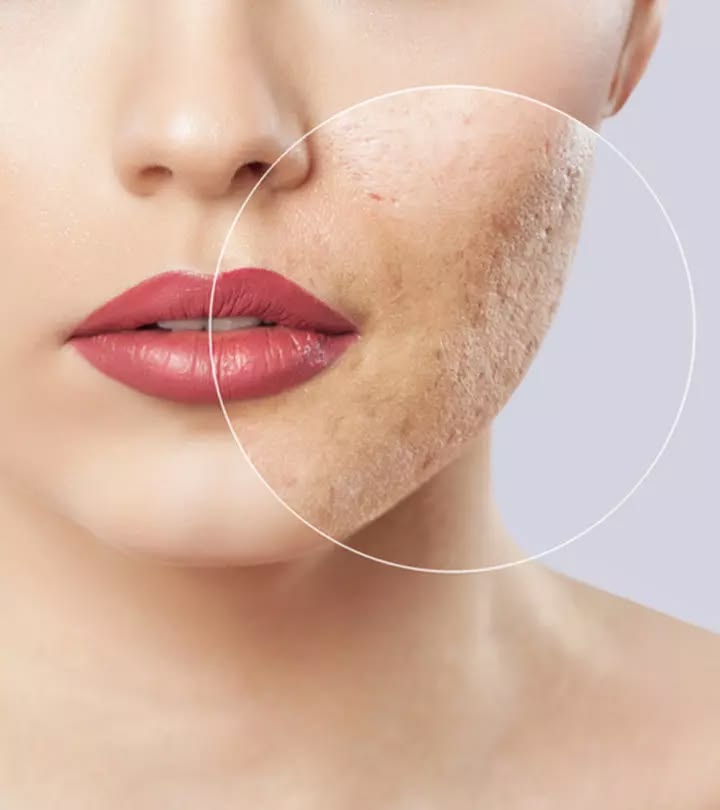
Acne scars can be some of the most persistent skin concerns because they often involve damage beneath the surface of the skin. While creams and serums can improve pigmentation and overall skin quality, deeper scars caused by collagen loss usually require treatments that stimulate structural repair.
One advanced Acne Scars The Woodlands treatment gaining popularity for stubborn acne scarring is RF microneedling. By combining traditional microneedling with radiofrequency energy, this technology works at deeper skin layers to encourage collagen remodeling, tighten the skin, and improve uneven texture.
What Is RF Microneedling?
RF microneedling, also known as radiofrequency microneedling, is a minimally invasive skin rejuvenation procedure that combines two technologies:
- Microneedling
- Radiofrequency energy
Traditional microneedling uses tiny needles to create controlled micro-injuries in the skin. These injuries trigger the body’s natural healing response and stimulate collagen production.
RF microneedling adds another layer by delivering controlled heat energy through the needles into deeper layers of the skin. This combination encourages stronger collagen remodeling and skin tightening.
How RF Microneedling Works for Acne Scars
Acne scars often develop because inflammation damages collagen and elastin fibers during the healing process. RF microneedling targets this underlying issue by encouraging the skin to rebuild itself.
The treatment works through three main processes:
Controlled Micro-Injury
The tiny needles create microscopic channels in the skin. These controlled injuries activate the repair process, signaling the body to produce new collagen and elastin.
Radiofrequency Energy Delivery
Once the needles reach the targeted depth, radiofrequency energy generates controlled heat beneath the skin’s surface.
This heat stimulates:
- Collagen contraction
- New collagen formation
- Tissue remodeling
- Improved skin firmness
Long-Term Skin Regeneration
After treatment, collagen production continues for weeks and months. As new collagen develops, acne scars may appear softer, flatter, and less noticeable.
Which Acne Scars Can RF Microneedling Treat?
RF microneedling can improve several types of acne scars, especially those involving texture changes.
Rolling Scars
Rolling scars create a wave-like appearance due to uneven collagen support beneath the skin.
RF microneedling may help by:
- Stimulating collagen production
- Improving skin firmness
- Reducing uneven texture
Boxcar Scars
Shallow to moderate boxcar scars may respond well because RF energy can encourage deeper remodeling.
Enlarged Pores and Uneven Texture
Many people with acne scars also experience enlarged pores. RF microneedling can improve overall skin smoothness and refinement.
Icepick Scars
Deep icepick scars are more challenging and may require combination treatments such as TCA CROSS or punch techniques. RF microneedling may help improve surrounding texture but may not completely correct very deep scars alone.
RF Microneedling vs. Traditional Microneedling
Both treatments stimulate collagen, but there are important differences.
Traditional Microneedling
Benefits:
- Creates controlled micro-injuries
- Encourages natural collagen production
- Suitable for mild to moderate scars
- Usually requires minimal downtime
RF Microneedling
Additional benefits:
- Delivers energy deeper into the skin
- Provides skin tightening effects
- Creates stronger collagen remodeling
- May improve more stubborn texture concerns
RF microneedling is often chosen by people who want a more intensive collagen-stimulating treatment without traditional surgical procedures.
RF Microneedling vs. Laser Resurfacing
Both treatments can improve acne scars, but they work differently.
RF Microneedling
Uses:
- Mechanical stimulation
- Radiofrequency heat energy
Advantages:
- Can be suitable for many skin types
- Less surface damage
- Often shorter recovery compared with aggressive lasers
Laser Resurfacing
Uses:
- Light energy to remove or heat targeted skin areas
Advantages:
- Strong resurfacing effects
- Can significantly improve deeper texture issues
The best choice depends on:
- Skin tone
- Scar severity
- Desired results
- Recovery preferences
What Happens During an RF Microneedling Treatment?
Understanding the process can help reduce uncertainty.
Consultation and Skin Assessment
Before treatment, a provider evaluates:
- Acne scar type
- Skin condition
- Treatment goals
- Medical history
A customized plan is created based on your needs.
Preparing the Skin
A numbing cream is usually applied before the procedure to improve comfort.
Treatment Session
The RF microneedling device is moved across the treatment area. Tiny needles enter the skin while radiofrequency energy is delivered at controlled depths.
Most patients describe the sensation as:
- Pressure
- Warmth
- Mild discomfort
After Treatment
The skin may appear:
- Red
- Slightly swollen
- Sensitive
These effects typically improve within a few days.
Recovery After RF Microneedling
One of the reasons RF microneedling is popular is its relatively manageable recovery period.
Common short-term effects include:
- Redness
- Mild swelling
- Dryness
- Temporary sensitivity
During recovery, it is important to:
- Avoid harsh skincare products
- Wear sunscreen daily
- Keep the skin moisturized
- Follow provider instructions
How Many Sessions Are Needed?
The number of treatments depends on:
- Scar depth
- Skin condition
- Treatment intensity
- Desired improvement
Many people receive multiple sessions spaced several weeks apart.
Because collagen remodeling continues after treatment, improvements may become more noticeable months after completing a series.
Benefits of RF Microneedling for Acne Scars
RF microneedling offers several potential advantages:
Stimulates Deep Collagen Production
The combination of needles and heat energy encourages stronger remodeling beneath the skin.
Improves Skin Tightness
Radiofrequency energy can help improve firmness and elasticity.
Minimal Surface Damage
Unlike some aggressive resurfacing procedures, RF microneedling does not remove large amounts of surface skin.
Suitable for Various Skin Types
When performed correctly, RF microneedling may be an option for many different skin tones.
Combining RF Microneedling With Other Treatments
Some acne scars require a combination approach for optimal improvement.
RF microneedling may be combined with:
- PRP therapy
- Chemical peels
- Subcision
- Dermal fillers
- Medical-grade skincare
Combining treatments allows each procedure to address a different part of the scarring process.
Who Is a Good Candidate for RF Microneedling?
RF microneedling may be suitable for people who have:
- Persistent acne scars
- Uneven skin texture
- Enlarged pores
- Mild skin laxity
- Stable acne without frequent active breakouts
People with certain skin conditions or active infections may need to delay treatment.
Final Thoughts
RF microneedling has become a popular option for stubborn acne scarring because it combines collagen stimulation with deeper radiofrequency remodeling. By creating controlled micro-injuries and delivering energy beneath the skin, it helps encourage natural repair and improve texture over time.
While it may not completely erase every type of acne scar, RF microneedling can significantly improve many cases of rolling scars, boxcar scars, enlarged pores, and uneven skin texture.
The best results come from a personalized treatment plan based on your scar type, skin tone, and overall skin goals. With the right approach, RF microneedling can be a powerful tool for achieving smoother, stronger, and more balanced-looking skin.
