


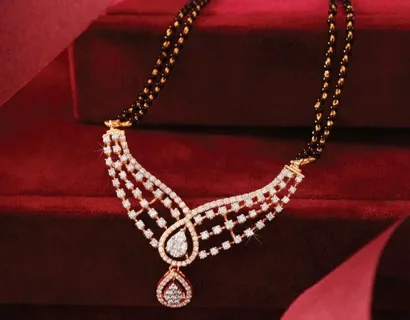
Direction is also a personal style matter. A minimalist consumer could be looking for clean lines and modest proportions, whereas a customer with a dramatic taste would desire strong forms and greater visual elements. At this point you may think of different forms, dimensions, gem stone placements and ornamental accents.
The initial drawing is not the final solution. Often it’s the start of a creative discourse. The design is subject to change as it evolves. A certain feature might be increased, simplified, displaced or even eliminated.
This refining procedure is necessary since jewellery is a three dimensional object. A design that seems good on paper may need tweaking when factors such as thickness, weight, balance and comfort are included.
Hence the Jewelry Manufacturers drawing is a bridge between fantasy and pragmatic design. It sets the artistic direction but also provides the framework for the technical choices ahead. The aim is not only to make something weird. It is to create something that communicates the customer’s vision, while being wearable in the actual world.
Create With Thought And Intention
Once the first design idea is produced, the design progresses to a more detailed phase. That’s when imagination starts to come into play, and technical precision.”
When designing personalised jewellery you have to think about measurements, proportions, gemstone sizes, thickness of metal, structures of settings and how various parts will interact together. These are things that someone looking at the final jewellery may not notice immediately yet they have a big impact on the quality of it. Modern design technologies may make this step more exact. Three dimensional visualisation may also assist clients to see what the completed jewellery could look like from various perspectives.
Digital modelling is very helpful in intricate designs. This means that changes may be made before the actual manufacturing starts. If an area is too heavy or a placement of a gemstone doesn’t look quite right, alterations may be made digitally.
From Inspiration To Initial Sketch
Some consumers may come in with a really precise idea. They could already have a shape and gemstone and metal and overall look in mind. Others will have nothing more than a general preference, and must be helped to develop it. In both cases, the first consultation is critical. In the end a digital model has to be translatable to something that can be built, constructed, completed and worn comfortably.
This is also the phase where the actual needs of the jewellery are more understood. A ring has to be the right size. A good balance is needed for a pendant. Earrings should be comfortable enough for the usage they are meant for. A bracelet has to have the right balance and mobility.
Such considerations do not restrict innovation. Rather, they assist translate creative concepts into profitable jewellery creations.
Choosing Metals and Gemstones
Materials provide the physical character of a jewellery design. The kind of metal and jewels may affect anything from aesthetics, to weight, to durability and style.
The choice of precious metals is usually made according on their colour, characteristics and compatibility with the design. Practicality must also be addressed in material selection. Jewellery that is worn often has to be made of materials and constructed in a way that can survive regular usage. Thus material choices may be affected by the customer’s lifestyle and the piece’s function.
Another thing to consider is the finishing style. The traditional look of a highly polished surface or a more modern nature with a textured or matte finish. Other decorative methods, like as engraving, may elevate personalisation even further.
Every choice of materials adds to the ultimate individuality of the jewellery. When selected with care, the materials are part of the tale the completed item conveys.
Turning the Design into a Physical Object
Once the design and materials have been decided, workmanship comes first. Now it’s time to turn the idea into an actual jewellery item.
Depending on design, the manufacturing process might be quite different. Some items may be old metalworking processes, others may use current production procedures and hand-finishing. Precision is necessary, whatever way you go.
The metal has to be formed to the design parameters. This might include designing parts separately, then putting them together into the final structure. It is important to analyse every connection carefully, the endurance of the item will rely on the interaction of the components.
The mounting and preparation of the gemstones are also extremely professional phases. The setting has to retain each stone firmly in place and yet look the way it is supposed to. The location and angle of a gemstone , and the structure around it may influence the way it interacts with light .
Intricate jewellery may include many little pieces that must be precisely aligned. Even little differences may affect symmetry and general look. This is why handcrafted jewellery calls for time and attention to detail.
The craftsperson must also be cognisant, at all times, of the link of the original design to the actual thing. Materials could react differently during manufacturing than they look in a computer model or design. Therefore changes may be necessary over the course of production. The goal is to keep the design character while ensuring that the physical item fits the criteria necessary for look, structure and wearability.
This is when a concept starts to seem genuine. The initial concept starts to resemble more and more a completed work bringing the customer’s idea closer to reality.
Setting, Detailing and Finishing – The Importance Of
Once the basic framework of the jewellery is formed, the focus is on the details that will give the jewellery a sophisticated look.
The gemstone setting is one of the most delicate stages of the procedure. The gemstones need to be properly placed and locked. The setting should be protective, yet the stone should be prominently seen.
Summary
Varied Jewelry Manufacturers ways of setup might lead to varied aesthetic consequences. Some designs concentrate on the gem while others utilise the metalwork to add more decoration. It’s about the overall design and the visual impression you want.
Another way to make a handmade item seem genuinely personal is with fine details. Its uniqueness is accentuated by engraving, textured surfaces, special edges, ornamental patterns and skilfully sculpted parts.
