


Chronic back pain is more than just a physical ailment; it is a thief of time, productivity, and joy. Whether it’s a sharp stabs from a herniated disc or the dull, relentless ache of sciatica, spinal issues affect nearly every aspect of daily life.
For years, patients felt caught between two extremes: managing the pain with temporary medication or undergoing invasive back surgery.
Fortunately, medical advancements have bridged this gap. Spinal Decompression Therapy has emerged as a leading evidence-based alternative for those seeking long-term relief without the risks associated with the operating table.
Understanding the Mechanics of Relief
Unlike traditional traction, which simply pulls the spine, modern spinal decompression uses computerized technology to bypass the body’s natural muscle guarding response.
By creating a gentle, oscillating pull, the therapy achieves two critical goals:
- Negative Intradiscal Pressure: This “vacuum effect” helps retract bulging or herniated disc material back into the center of the disc.
- Nutrient Influx: The process facilitates the flow of oxygen, water, and nutrient-rich fluids into the disc, stimulating the body’s natural healing mechanism.
The Growing Need: Data and Statistics
The prevalence of spinal issues in the United States highlights why effective, non-invasive treatments are more vital than ever. According to the Georgetown University Health Policy Institute, nearly 65 million Americans report a recent episode of back pain, with 16 million adults experiencing persistent or chronic back pain that limits everyday activities.
Furthermore, the American Chiropractic Association notes that back pain is one of the most common reasons for missed work, accounting for more than 264 million lost workdays per year. With surgery costs often soaring into the tens of thousands and requiring months of recovery, the shift toward decompression therapy is backed by both economic and clinical logic.
Why Choose Decompression Over Surgery?
While surgery is sometimes necessary, it carries inherent risks, including infection, nerve damage, and “failed back surgery syndrome.” Clinical studies have shown promising results for non-surgical alternatives:
- Success Rates: Research published via the National Institutes of Health (NIH) and various clinical journals indicates that spinal decompression therapy can yield a high success rate (often cited between 71% and 89%) in reducing pain levels for patients with disc-related issues.
- Zero Downtime: Most patients can return to their daily routines immediately following a session, making it ideal for the modern workforce.
- Cost-Effectiveness: When compared to the cumulative costs of long-term opioid use or the high price of surgical intervention, decompression is a sustainable financial choice.
What to Expect During Treatment
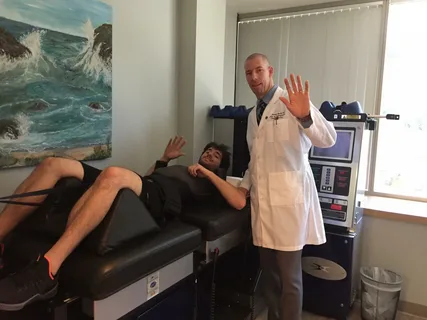
A typical session is surprisingly relaxing. Patients remain fully clothed and are fitted into a specialized harness on a computer-controlled table. The practitioner programs the device to target specific spinal levels. Many patients report feeling a sense of “lightness” or immediate pressure relief during the 20 to 30-minute session, and some even fall asleep.
Is It Right for You?
Spinal decompression is highly effective for conditions such as:
- Herniated or bulging discs
- Degenerative disc disease
- Sciatica (leg pain)
- Posterior Facet Syndrome
- Worn spinal joints
However, it is not a “one-size-fits-all” fix. A thorough consultation with a wellness professional is necessary to ensure you are a candidate, especially if you have hardware from previous surgeries or advanced osteoporosis.
Final Thoughts
You don’t have to “just live” with back pain. By leveraging the precision of Non-Surgical Spinal Decompression Therapy, you can address the root cause of your discomfort and start the journey back to an active, pain-free lifestyle.
