


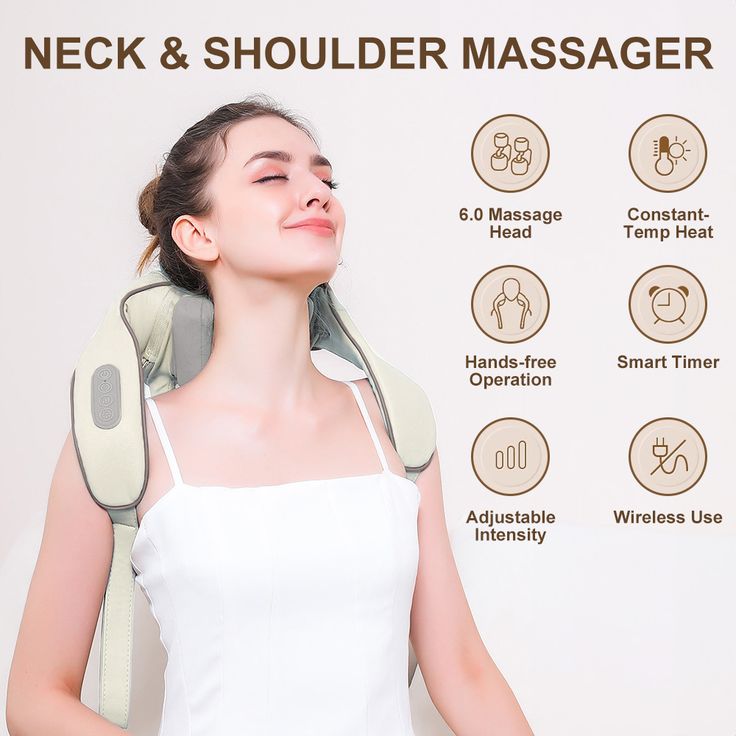
Modern hand-neck massagers are no longer simple vibration devices. They are engineered systems that combine two distinct therapeutic forces—compression and kneading—to replicate the layered way human hands work on muscle tissue. This hybrid approach is what gives today’s devices their “real-touch” feel and makes them significantly more effective for relieving neck, shoulder, and upper-body tension.
Understanding how these two mechanisms work together reveals why newer systems feel more natural, more targeted, and more capable of addressing deep muscle stiffness.
The Two Core Forces: Compression and Kneading
At the heart of modern massage engineering are two complementary actions.
1. Compression: The Deep Stabilizing Force
Compression applies steady, inward pressure on muscle tissue.
What It Does
- Pushes into deeper muscle layers
- Expands tight connective tissue
- Improves localized blood flow
- Reduces muscle guarding
Compression is the “holding” phase of massage, similar to how a therapist presses and stabilizes a tight area before working it further.
2. Kneading: The Dynamic Motion Force
Kneading involves rhythmic, circular, or alternating movement.
What It Does
- Mobilizes muscle fibers
- Breaks up tension patterns
- Encourages flexibility
- Simulates finger and palm motion
Kneading is the “movement” phase that loosens and reactivates stiff muscles.
Why Combining Compression and Kneading Matters
Individually, each technique has limitations. Together, they create a complete therapeutic cycle.
Compression Without Kneading
- Provides deep pressure
- Lacks movement and muscle stimulation
- Can feel static or overly intense
Kneading Without Compression
- Feels dynamic and soothing
- May not reach deeper muscle layers
- Less effective for chronic knots
Combined Approach
- Deep pressure + dynamic motion
- Balanced muscle engagement
- More realistic human-like massage feel
How Engineering Brings This Combination to Life
Modern Hand neck massager use mechanical precision to coordinate both forces.
1. Multi-Axis Motor Systems
Advanced devices use motors that allow movement in multiple directions:
- Rotational motion for kneading
- Vertical pressure for compression
- Alternating cycles for rhythm variation
This multi-axis design mimics how human hands naturally shift pressure and movement.
2. Dual-Layer Node Design
Massage nodes are engineered with layered functionality.
Inner Core
- Provides structural pressure support
- Controls compression depth
Outer Surface
- Often made of soft silicone
- Adapts to skin and muscle contours
- Enhances comfort during kneading
3. Programmable Motion Cycles
Modern systems alternate between phases:
- Press and hold (compression)
- Rotate and release (kneading)
- Varying speed and intensity
This creates a dynamic “breathing” rhythm in the massage pattern.
4. Adaptive Pressure Feedback (Advanced Models)
Some devices adjust based on resistance.
How It Works
- Sensors detect muscle tightness
- Motor adjusts force output
- System maintains consistent comfort
This prevents over-pressing or under-stimulation.
Why the Neck and Shoulders Benefit Most
The cervical and trapezius regions respond particularly well to combined techniques.
1. Complex Muscle Structure
These areas contain overlapping muscle layers that require both depth and movement.
2. High Stress Accumulation
Posture and screen use create constant tension patterns.
3. Sensitive Nerve Pathways
Controlled compression and kneading help avoid overstimulation while relieving pressure.
The Role of Heat in Enhancing Compression-Kneading Systems
Heat is often integrated to amplify mechanical effects.
Benefits of Heat Integration
- Softens muscle fibers before pressure
- Improves elasticity during kneading
- Enhances circulation response
- Reduces discomfort during deep compression
Heat acts as a preparatory layer for mechanical action.
Why This Combination Feels More “Human”
Modern engineering aims to replicate the variability of real hands.
Human Hands Naturally:
- Alternate pressure constantly
- Adjust force based on feedback
- Combine static holds with movement
Modern Devices Achieve This Through:
- Variable motor speed
- Alternating pressure cycles
- Soft-contact materials
- Ergonomic shaping
The Engineering Challenge Behind Real-Touch Simulation
Creating realistic massage is not just about power—it is about control.
Key Challenges
- Synchronizing motion and pressure
- Preventing mechanical harshness
- Maintaining consistent comfort
- Balancing depth with softness
This is why advanced systems rely heavily on precision engineering rather than simple motor strength.
Where Compression-Kneading Systems Are Most Effective
1. Chronic Neck Tightness
Deep pressure combined with motion helps release long-held tension.
2. Shoulder Knots
Alternating forces break up localized stiffness.
3. Postural Strain
Helps restore muscle balance caused by prolonged sitting.
4. Daily Stress Relief
Provides both calming and restorative effects.
Common Misunderstandings About Massage Intensity
More Force Does Not Mean Better Results
Excessive compression without kneading can increase discomfort.
Movement Is as Important as Pressure
Dynamic motion ensures muscles respond rather than resist.
Comfort Improves Effectiveness
Relaxed muscles respond better to combined techniques.
Final Thoughts
The innovation behind modern hand-neck massage systems lies in the intelligent combination of compression and kneading. Compression provides the depth needed to reach tight muscle layers, while kneading introduces movement that restores flexibility and circulation. Together, they create a balanced, human-like massage experience that goes far beyond simple vibration or static pressure.
As engineering continues to evolve, these systems are becoming more adaptive, more precise, and increasingly capable of replicating the nuanced touch of human hands—making them a cornerstone of modern at-home muscle recovery.
