


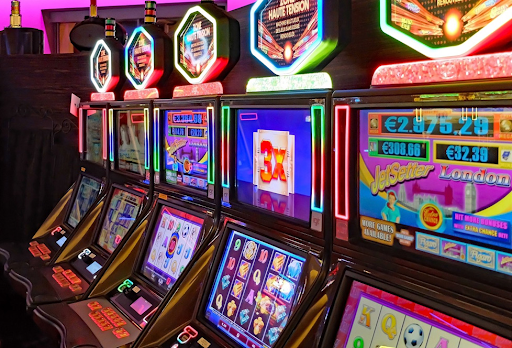
Casinos are far more than collections of gaming tables, slot machines, and entertainment venues. Behind every layout, lighting choice, sound effect, and decorative element lies a carefully considered design strategy intended to shape the guest experience. Casino architecture and interior design have evolved over decades, combining principles from psychology, behavioral economics, hospitality, and retail design to create environments that encourage engagement, comfort, and prolonged visits.
While luck and games remain the centerpieces of the best online casinos uae experience, the surrounding environment plays a significant role in influencing how visitors move through a property, interact with games, and perceive their overall experience. Understanding the architecture of enticement reveals how modern casinos use design to create immersive entertainment destinations.
The Evolution of Casino Design
Early casinos often featured straightforward layouts with clearly defined gaming areas. As competition increased and operators gained a deeper understanding of customer behavior, casino design became more sophisticated.
Modern casinos are carefully engineered environments that blend:
- Gaming spaces
- Hospitality services
- Entertainment venues
- Retail areas
- Dining experiences
Rather than simply providing games, casinos now aim to create comprehensive experiences that encourage exploration and extended stays.
Design has become a strategic tool that supports both guest satisfaction and business objectives.
Creating a Sense of Escape
One of the primary goals of casino design is to create an environment that feels separate from everyday life.
Many casinos use architecture and interior décor to transport guests into unique settings inspired by themes such as:
- Ancient civilizations
- European cities
- Tropical resorts
- Luxury lifestyles
- Fantasy worlds
These immersive environments help guests disconnect from daily routines and become more engaged in the entertainment experience.
The feeling of entering a distinct world can make a casino visit feel like a mini-vacation, even if the guest is only there for a few hours.
Strategic Layout and Navigation
Casino floor layouts are rarely accidental.
Designers carefully arrange gaming areas, restaurants, bars, and entertainment attractions to encourage movement throughout the property.
Many casinos use open floor plans that provide visibility across large sections of the gaming area. This approach helps visitors discover different games and amenities as they move through the venue.
Common design strategies include:
- Central placement of popular attractions
- Wide walkways that encourage exploration
- Multiple paths through gaming areas
- Strategic positioning of food and beverage outlets
The goal is to create a seamless flow that keeps guests engaged while making the property easy to navigate.
Lighting and Atmosphere
Lighting is one of the most powerful tools in casino design.
Modern casinos use carefully planned lighting systems to create energy, excitement, and visual appeal.
Examples include:
- Bright, colorful slot machine displays
- Accent lighting around gaming tables
- Decorative architectural lighting
- Dynamic digital displays
Unlike traditional commercial environments, casinos often avoid harsh overhead lighting. Instead, they use layered lighting techniques that create a warm and inviting atmosphere.
The result is an environment that feels comfortable while maintaining a sense of excitement.
Sound Design and Sensory Engagement
Sound is another important component of casino architecture.
Casinos carefully manage audio environments through:
- Background music
- Slot machine sounds
- Celebration effects
- Ambient noise control
Winning sounds, even when generated by other players, can contribute to an atmosphere of excitement and activity.
The combination of visual and auditory stimulation helps create a lively environment that encourages participation and engagement.
Comfort as a Design Strategy
Comfort plays a crucial role in modern casino design.
Operators invest heavily in creating spaces where guests feel relaxed and welcome.
Common comfort-focused features include:
- Ergonomic seating
- Spacious gaming areas
- Climate-controlled environments
- Comfortable lounges
- High-quality furnishings
When visitors feel physically comfortable, they are more likely to spend additional time enjoying various aspects of the property.
Comfort is particularly important in integrated resorts, where guests may spend entire weekends or vacations on-site.
The Placement of Amenities
Modern casinos increasingly function as entertainment ecosystems rather than standalone gaming venues.
As a result, amenities such as restaurants, bars, retail stores, and entertainment spaces are integrated into the overall design.
Strategic placement encourages guests to experience multiple aspects of the property.
Examples include:
- Restaurants located near gaming floors
- Retail areas connecting hotel and casino spaces
- Entertainment venues positioned along major guest pathways
This interconnected design enhances convenience while increasing opportunities for guests to engage with different offerings.
The Role of Technology in Modern Design
Technology has become an essential part of contemporary casino architecture.
Digital innovations include:
- Interactive wayfinding systems
- Digital signage
- Mobile integration
- Smart hotel technologies
- Cashless gaming systems
These tools improve convenience while helping operators personalize guest experiences.
Technology also enables designers to create more dynamic and adaptable environments that can evolve alongside changing customer expectations.
Integrated Resorts and Experiential Design
The rise of integrated resorts has expanded the scope of casino architecture.
Today’s leading properties often combine:
- Luxury hotels
- Convention centers
- Concert venues
- Shopping districts
- Wellness facilities
- Gaming floors
Designers must create cohesive environments that support multiple activities while maintaining a unified brand identity.
The focus has shifted from gaming alone to creating memorable experiences that appeal to a broad range of visitors.
Responsible Design Considerations
As awareness of responsible gambling grows, many operators are incorporating design elements that support player well-being.
These may include:
- Clearly marked exits
- Accessible information centers
- Relaxation areas
- Responsible gaming messaging
- Easy access to support resources
Balancing entertainment with responsible practices has become an increasingly important aspect of modern casino design.
The Future of Casino Architecture
The future of casino design is likely to be shaped by emerging technologies and evolving consumer preferences.
Potential developments include:
- Virtual reality gaming spaces
- Augmented reality experiences
- AI-powered personalization
- Sustainable building practices
- Smart environmental controls
- Immersive entertainment zones
As casinos continue to evolve, architecture will remain a key factor in shaping guest experiences and influencing how visitors interact with gaming environments.
Conclusion
Casino design is a sophisticated blend of architecture, psychology, technology, and hospitality. Every aspect of the environment—from layout and lighting to sound and comfort—is carefully crafted to create engaging and memorable experiences. Modern casinos are no longer simply places to gamble; they are immersive entertainment destinations designed to encourage exploration, relaxation, and participation. As technology and consumer expectations continue to evolve, the architecture of enticement will remain a powerful force in shaping the future of the casino industry.
